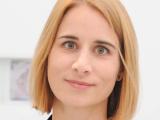
Katja Bertsch
Katja Bertsch is a Professor for Clinical Psychology and Psychotherapy at the Julius-Maximilians-University Würzburg.
The equal opportunity committee (EOC) consists of five representatives and is headed by one of them. Three PIs from the different sites function as gender equality representatives, taking care of gender equality issues among researchers of the TRR. They are complemented by one representative each of the doctoral and postdoctoral researchers. The committee monitors issues and measures with respect to gender balance, equal opportunities and diversity, initiate awareness trainings and actions for unbiased selection, inclusion and promotion procedures and the implementation of gender- and diversity-sensitive research questions. This board provides feedback on these issues for all future research applications. It will also inform the steering committee on needs and problems identified, as well as necessary measures and actions to overcome relevant obstacles. They also act as contact persons for gender-related issue or conflicts.
Katja Bertsch is a Professor for Clinical Psychology and Psychotherapy at the Julius-Maximilians-University Würzburg.

Natalia Chechko’s research group investigates neuroscientific and bioscientific aspects of various psychiatric disorders, including depression, schizophrenia, anxiety disorders and autism spectrum disorder. Cerebral dysfunctions in women of reproductive age who suffer from affective disorders, e.g. postpartum depression, psychosomatic illnesses or chronic pain disorders, are a particular focus. The aim is to record emotional and cognitive dysfunctions multimodally in order to enable early detection and predict the response to therapy in affected women. Functional magnetic resonance imaging (fMRI) is used to analyse cerebral dysfunctions during visual, olfactory and nociceptive stimulation. Psychological test procedures and laboratory measurement techniques, such as blood serum analyses and hair sample analyses, are also used. Other influencing factors such as genetic disposition are also taken into account.
Professor Andreas G Chiocchetti is passionate about working with models to understand human behaviour and neurodiversity. Biotechnologist by training (Salzburg, Austria), Phd in Genetics, Research Fellow at UCLA, Los Angeles, ex Data-Scientist in Industry. Member of the Equal Opportunity and Diversity working group at the TRR379.

Prof Dr Sabine C Herpertz studied human medicine in Bonn, obtained her doctorate in Frankfurt aM and habilitated in psychiatry and psychotherapy at RWTH Aachen University. Between 2002 and 2003, she held a professorship for Experimental Psychopathology at RWTH Aachen University before taking over the Chair of Psychiatry and Psychotherapy at the University of Rostock between 2003 and 2009. Since 2009, she has been Chair of General Psychiatry at Heidelberg University Hospital, Medical Director of the clinic of the same name and spokesperson for the Centre for Psychosocial Medicine. Her research focuses on the investigation of emotions and social functions in patients with personality disorders and trauma-associated disorders using experimental psychopathology and neuroscientific methods, in particular functional imaging. Reactive aggression is another focus of her research in personality disorders. She is Past President of the International Society for the Study of Personality Disorders (ISSPD) and has published many book chapters and journal articles on personality disorders. A second focus of her research is the development and evaluation of psychotherapeutic interventions.
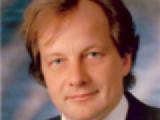
Klaus Mathiak is a professor at RWTH Aachen University, specializing in psychiatry and psychotherapy. His research integrates neuroimaging, psychophysiology, and clinical studies to understand the neural mechanisms underlying social cognition, aggression, and media influence on behavior. Mathiak’s work aims to enhance therapeutic interventions for psychiatric disorders by elucidating the brain’s role in social and emotional processing.
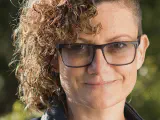
Linda Wilkin-Krug is a postdoctoral researcher at the Julius-Maximilians- University Würzburg.